Christmas Tree Clipart: Elevating Illustrations
As a digital publisher who has spent years refining the visual architecture of high-traffic blogs and affiliate sites, I have learned that the difference between a scroll-past and a click-through often lies in the subtle details of graphic design. When I first opened the files for this Christmas Tree Clipart collection, my immediate reaction was not just about the aesthetic appeal, but about its functional versatility. In the crowded landscape of seasonal content, where every lifestyle blogger and e-commerce store is vying for attention during the holidays, having a reliable graphic design asset that balances charm with professionalism is invaluable.
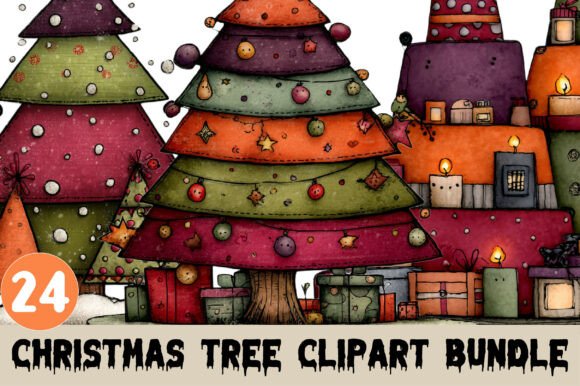
The initial impression of these Illustrations is one of curated warmth. They do not feel like generic, mass-produced stock images that clutter free resource sites. Instead, they possess a distinct editorial quality that suggests intentionality. For content creators, this matters immensely. Reader trust is built on consistency and polish. If your website header or featured image looks amateurish, visitors subconsciously question the credibility of your advice or products. This clipart set bridges that gap, offering a look that is simultaneously playful and refined, making it suitable for niches ranging from family lifestyle and parenting to high-end home decor and DIY crafts.
Integrating Visuals into Your Publishing Workflow
In a real-world publishing scenario, time is the most scarce resource. During the holiday rush, I am typically juggling newsletter campaigns, Pinterest scheduling, and blog post updates. This is where a cohesive set of design assets becomes a productivity multiplier. I tested this Christmas Tree Clipart across several key touchpoints in my content marketing funnel. First, I used a bold, detailed tree illustration as the focal point for a Pinterest pin promoting a holiday gift guide. The clean lines allowed me to overlay large, readable typography without the image feeling cluttered. This improved the visual hierarchy, ensuring the headline remained the primary focus while the graphic provided the necessary seasonal context.
Beyond social media, these assets shine in editorial design. I incorporated a smaller, more delicate version of the clipart into a downloadable PDF checklist for holiday party planning. In this context, the clipart acted as a decorative accent that broke up dense text, making the digital guide feel more like a premium product than a simple text document. For those creating lead magnets or printable design resources, the scalability of these vectors is crucial. They remain crisp whether printed on a small gift tag or displayed on a large eBook cover.
Strategic Placement for Maximum Impact
Understanding where to place these visuals is just as important as selecting them. Based on my testing, here are the areas where this Christmas Tree Clipart delivers the highest return on investment for your brand identity:
- Hero Images and Website Headers: Use the larger, more intricate designs to anchor your homepage or category pages. They set the mood immediately and signal to returning visitors that your site is current and engaging.
- Pinterest Graphics: The vertical orientation of many tree designs fits perfectly within the 2:3 aspect ratio preferred by Pinterest. They stand out in feeds dominated by photography, offering a fresh, artistic alternative.
- Newsletter Banners: Email clients can be tricky with heavy images. These lightweight graphics load quickly and add festive flair to your holiday sales emails or community updates without triggering spam filters or slowing down load times.
- Social Media Graphics: Use them as overlays on Instagram stories or Facebook posts. They work exceptionally well when paired with solid color backgrounds, creating a modern, minimalist aesthetic that appeals to younger demographics.
Navigating Design Constraints and Best Practices
While this clipart is versatile, it is not a one-size-fits-all solution for every digital environment. As an experienced designer, I must caution against using these illustrations in contexts where clarity is compromised. For instance, avoid placing highly detailed versions of the Christmas Tree Clipart in small mobile thumbnails. At reduced sizes, fine lines can blur, causing the image to look muddy rather than sharp. Similarly, be cautious when using these assets on busy backgrounds. If your blog layout already features patterned sidebars or complex textures, adding another decorative element can create visual noise that distracts from your core message.
Another critical consideration is niche alignment. While these illustrations are perfect for lifestyle, creative, and educational sectors, they may feel out of place in strictly corporate or serious financial niches. If you are running a B2B affiliate marketing site focused on enterprise software, a whimsical tree might undermine the professional tone you are trying to establish. Always ask yourself if the visual supports the authority of the content or merely decorates it.
Technical Considerations for Web Performance
From a technical standpoint, integrating any new digital download into your site requires diligence. Before uploading these files to your server, I recommend testing them across different devices. Check how the colors render on both retina displays and standard screens. Pay close attention to contrast; ensure that the clipart stands out clearly against your website’s background color. I found that pairing these illustrations with sans serif fonts created a clean, modern look, while combining them with script fonts added a touch of handwritten elegance suitable for greeting cards or personal blog posts.
Furthermore, file size matters. Even though vector-based clipart is generally lightweight, always compress your images for web use to maintain fast page load speeds. Slow-loading pages hurt SEO and increase bounce rates. Finally, always verify the licensing terms. Ensure you have the appropriate commercial license if you are using these assets on monetized websites, in paid courses, or on physical products sold through your online store. Protecting your business from copyright issues is just as important as creating beautiful content.
In conclusion, this Christmas Tree Clipart is more than just a seasonal decoration; it is a strategic tool for enhancing your small business branding and content presentation. By thoughtfully integrating these Illustrations into your Canva template workflows, email campaigns, and blog graphics, you can create a cohesive visual narrative that resonates with your audience. Whether you are an affiliate marketer looking to boost click-through rates or an educator creating engaging holiday worksheets, these assets provide the professional polish needed to stand out in the digital marketplace.